

Material Specifications
Transparent technical information for confident decision-making


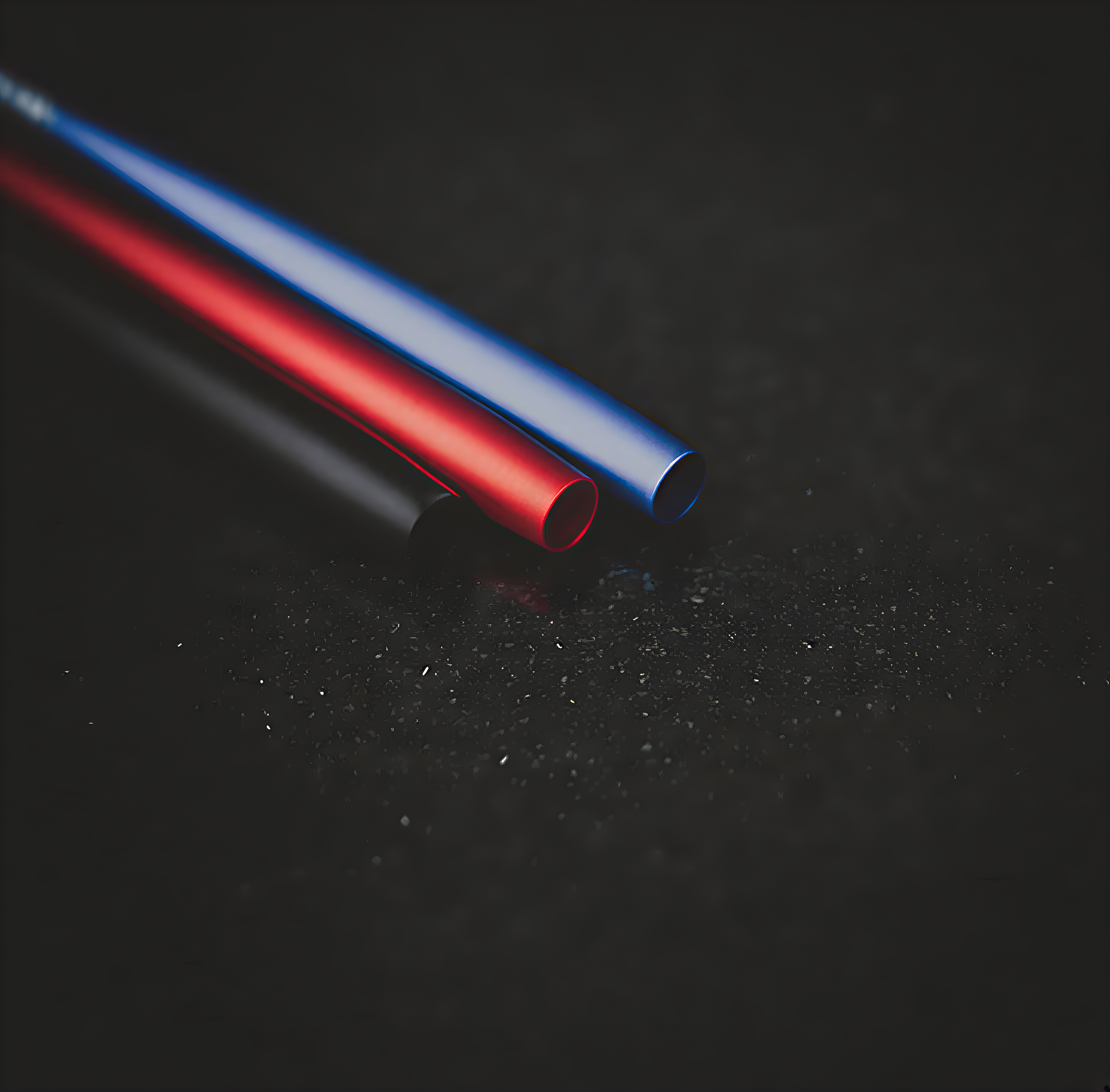
Understanding Heat Shrink Materials
At Seacoast Electronic Distributors, we believe in complete transparency. Every product we distribute comes with detailed material specifications, technical data, and performance characteristics. This ensures you select exactly the right solution for your application.

Polyolefin-based materials

PVC compounds

Elastomeric materials
In-Depth Material Analysis
At Seacoast Electronic Distributors, we believe in complete transparency. Every product we distribute comes with detailed material specifications, technical data, and performance characteristics. This ensures you select exactly the right solution for your application.
Physical Properties
Chemical Resistance
Thermal Properties
Electrical Properties
PVC
Flexible and cost-effective heat shrink solution
Properties
Detailed PVC properties would be displayed here in a similar format to Polyolefin.
Fluoropolymer (FEP/PTFE)
High-performance material for extreme environments
Properties
Detailed Fluoropolymer properties would be displayed here in a similar format to Polyolefin.
Material Comparison
| Property | Polyolefin | PVC | Fluoropolymer |
|---|---|---|---|
| Operating Temperature | -55°C to 135°C | -40°C to 105°C | -200°C to 200°C |
| Shrink Temperature | 90-120°C | 95-130°C | 175-205°C |
| Flame Resistance | UL 224 VW-1 | UL 224 VW-1 | UL 94 V-0 |
| Chemical Resistance | Good to Excellent | Good | Excellent |
| Flexibility | Excellent | Excellent | Good |
| Cost | Medium | Low | High |
Understanding Shrink Ratios
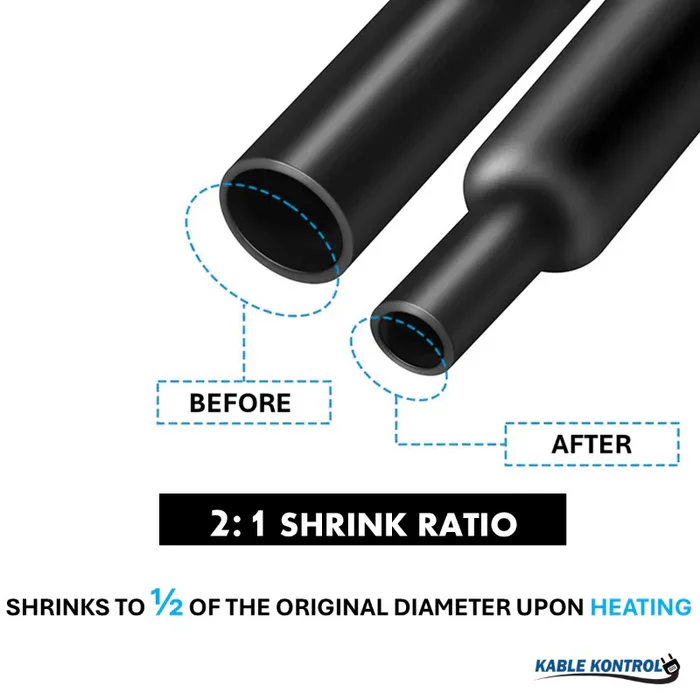
4:1
Shrink Ratio
2:1
Shrink Ratio
3:1
Shrink Ratio
Heat Shrink Installation Guide
Professional techniques for optimal cable protection
Surface Preparation
Proper surface preparation is critical for ensuring a secure, long-lasting heat shrink installation. Follow these steps carefully:
-
1
Clean and Dry Surfaces
Ensure all surfaces are completely free of moisture, dust, and debris. Use isopropyl alcohol for best results.
-
2
Remove Contaminants
Eliminate any oils, grease, or chemical residues that could prevent proper adhesion.
-
3
Check for Sharp Edges
Inspect connectors and surrounding areas for any burrs or sharp edges that could damage the heat shrink tubing.
Visual Guide
This diagram illustrates common surface issues to address before installation:
● Contaminants (oil, dust, moisture)
▲ Sharp edges (burrs, rough surfaces)